Newsletter Subscribe
Enter your email address below and subscribe to our newsletter

Federal Judge In Mississippi Rules Cell Tower Data Searches Violate Fourth Amendment
A federal judge in Mississippi has ruled that so-called “tower dump” warrants violate the Fourth Amendment, a decision that could have significant implications for how law enforcement obtains cellphone location information during criminal investigations.
U.S. District Judge Carlton Reeves ruled Wednesday that the warrants amount to unconstitutional general searches because they can collect information belonging to large numbers of people who are not suspected of committing any crime.
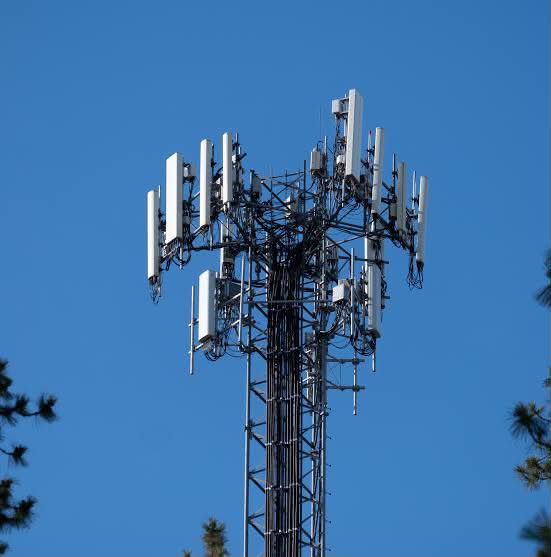
Tower dumps allow investigators to obtain records identifying cellphones that connected to a particular cellular tower during a specific period. Investigators can then analyze those records to determine which devices, and potentially which individuals, were near the location of a crime.
The concern, according to Reeves, is the sheer scope of information collected.
“The government cannot have access to an entire haystack because it may contain a needle,” Reeves wrote in his 30-page order.
The ruling stems from a federal investigation into gang-related violent crimes in Jackson. Investigators sought warrants for tower dump information surrounding nine locations where crimes allegedly occurred.
A magistrate judge twice denied the government’s requests, and Reeves upheld those decisions Wednesday.
Reeves determined that tower dumps resemble the broad “general warrants” that the Fourth Amendment’s protections against unreasonable searches and seizures were designed to prevent.
Depending on the location and timeframe involved, a tower dump could potentially produce thousands or even hundreds of thousands of records belonging to people who happened to be nearby. Those records could reveal devices near homes, hospitals, churches and other sensitive locations.
“The government now has the capacity to identify any individual with a cell phone, at any public or private location,” Reeves wrote.
The Mississippi decision adds to a growing national debate over digital privacy and how far law enforcement should be permitted to go when collecting location information during an investigation, particularly when that collection includes data belonging to people who are not suspected of a crime.