Get Slidell & St. Tammany News
Enter your email below to get local news in your inbox.

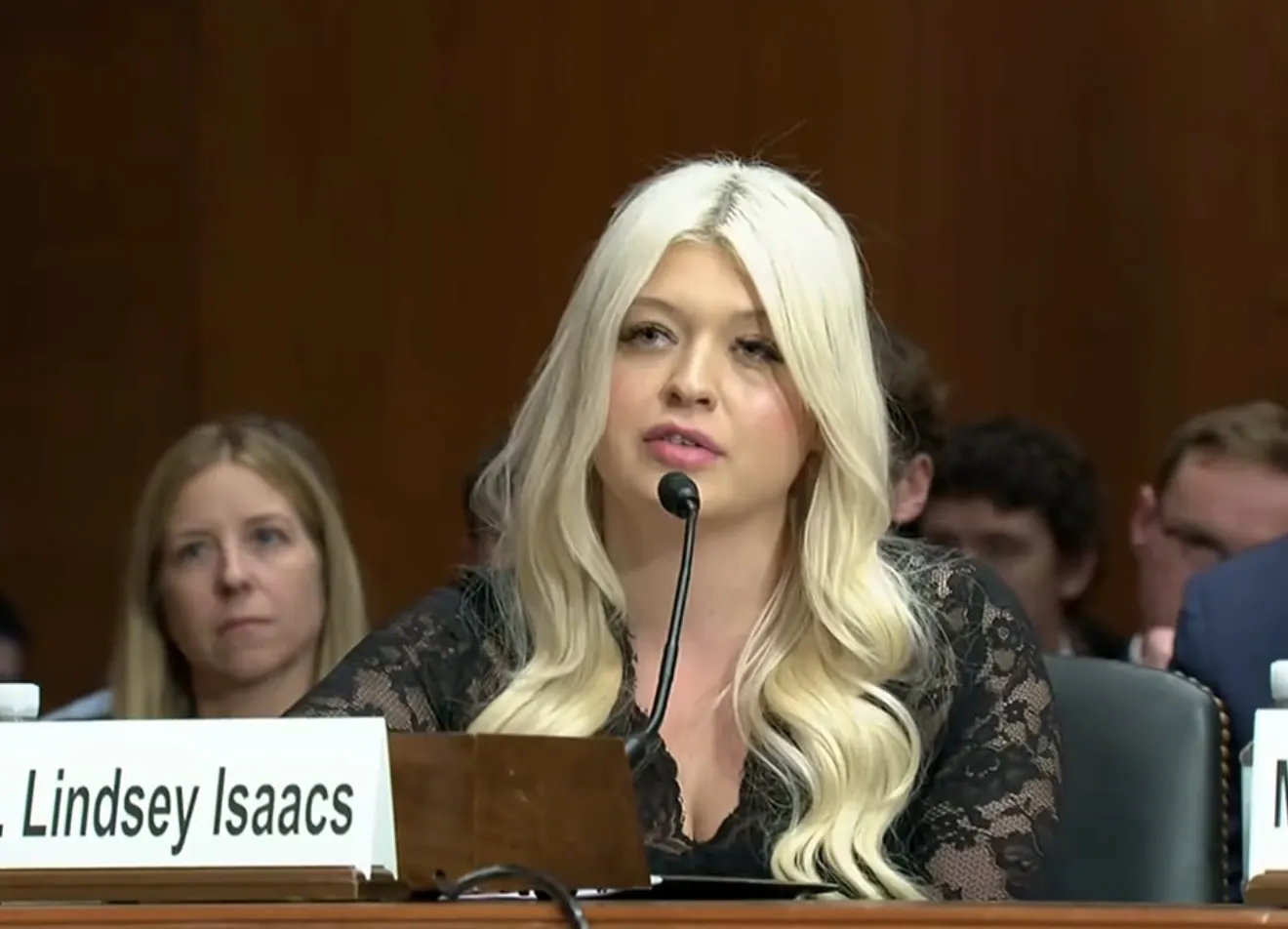
Lindsey Isaacs spent 13 days in a Florida jail after investigators accused her of causing a crash that killed three people. On Wednesday, Sept. 23, she told a U.S. Senate subcommittee how a Flock license plate camera image became part of the investigation against her, even though she says she had nothing to do with the crash.
Isaacs testified during a Senate Judiciary subcommittee hearing on Flock Safety’s camera network. She said a camera had captured her black Dodge Durango two to three miles from the crash scene. Investigators were looking for a black Durango, but Isaacs said witnesses had described the vehicle involved in the crash as maroon. She also said 911 callers had supplied part of that vehicle’s license plate number.
The crash occurred in October 2025. Isaacs told senators she was home in Palm Coast when investigators came looking for her. She said she gave troopers a receipt and information about where she had been, and told them she had not been in a crash. Troopers seized her Durango, telling her it had damage consistent with a collision. Isaacs said she could not see the damage they described.
Months later, a warrant was issued for her arrest. Isaacs surrendered on April 17, 2026, and faced three counts of vehicular homicide. In her written testimony, she described spending approximately three and a half days in solitary confinement before being moved to other jail units. She said she feared she could spend the rest of her life in prison for a crash she knew she had not caused.
Isaacs said a judge denied her bond on April 22. Six days later, her attorney presented photographs of her Durango in a Florida Highway Patrol impound lot. She said the photographs showed none of the collision damage investigators had claimed was present. The state reevaluated the case, and she was granted bond on April 29. In May, prosecutors declined to prosecute her. The investigation instead resulted in charges against another person.
Her testimony did not establish that the camera misread her license plate. Her account was that the camera captured her actual vehicle near the crash scene and that investigators relied on that information despite other details she says pointed away from her.
“I want you to understand that surveillance technology does not exist in a vacuum,” Isaacs told senators. Her case placed a human cost at the center of the subcommittee’s examination of how camera data is used in criminal investigations.
Also reported by: CBS12.



Have you experienced this in your community? Join the conversation below.
Free. Straight to your inbox. Cancel anytime.


Join the conversation — create a free TRH News account to comment.