
Get Slidell & St. Tammany News
Enter your email below to get local news in your inbox.

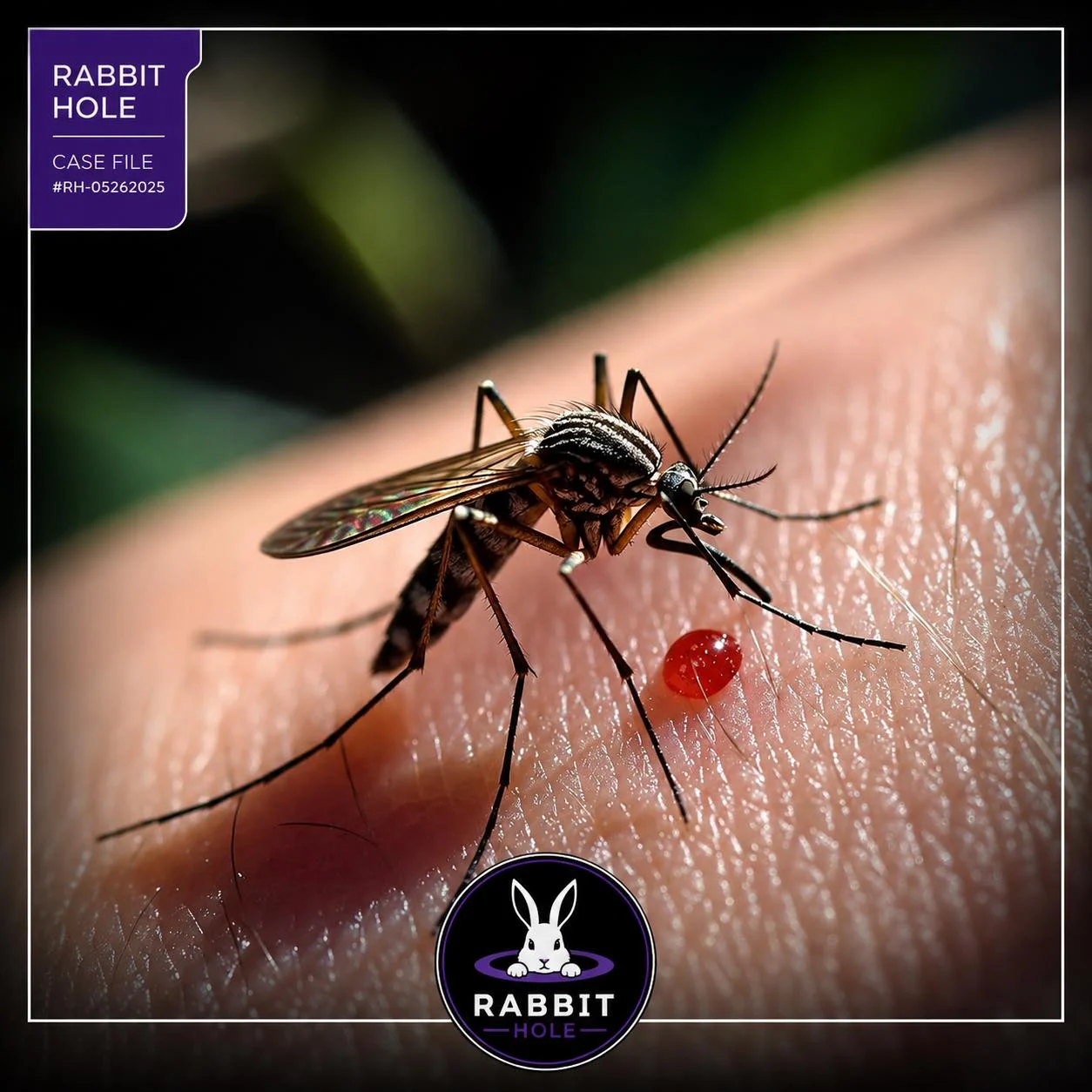
A proposal involving the release of millions of specially treated mosquitoes is drawing attention as federal regulators consider a plan designed to reduce populations of disease-carrying insects in parts of the United States.
The project would involve releasing up to 16 million male mosquitoes per year in each of California and Florida over a two-year period, according to the EPA notice. The goal is to target the Culex quinquefasciatus mosquito, which can spread West Nile virus.
Unlike female mosquitoes, male mosquitoes do not bite humans. The males used in the program carry a naturally occurring bacterium called Wolbachia. When they mate with wild female mosquitoes, the resulting eggs fail to hatch, gradually reducing the local mosquito population.
Supporters of the program say the approach offers a way to combat mosquito-borne diseases without relying as heavily on chemical pesticides. They argue that traditional mosquito control methods are becoming less effective in some areas and that innovative solutions are needed to address growing public health concerns.
The proposal is part of a larger effort to use technology, automation, and biological controls to manage mosquito populations. Similar programs have been tested in other locations and have shown promising results in reducing targeted mosquito species.
Not everyone is convinced. Some critics have raised concerns about potential environmental impacts and the long-term effects of releasing large numbers of mosquitoes, even if they are male and incapable of biting people. Others have questioned whether additional research is needed before expanding the program on such a large scale.
Federal regulators are currently reviewing the proposal and considering public feedback before making a final decision.
If approved, the initiative would become one of the largest mosquito population suppression efforts of its kind in the United States and could serve as a model for future mosquito control programs around the world.
Source: U.S. EPA, Federal Register notice (Pesticide Experimental Use Permit; Receipt of Application).





What do you think? Join the conversation below.
Free. Straight to your inbox. Cancel anytime.



Join the conversation — create a free TRH News account to comment.