
Get Slidell & St. Tammany News
Enter your email below to get local news in your inbox.


Update (Oct. 2, 2026): The 18 Americans arrived in the United States early Monday, May 11, after leaving Tenerife the previous evening, according to NPR; this article, published May 8, described the repatriation before it had taken place. The WHO declared the outbreak over on July 2, 2026 (WHO).
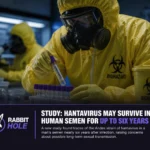
Eighteen Americans who were aboard the hantavirus-stricken cruise ship MV Hondius were being repatriated to the United States as health officials monitor potential exposure. The outbreak has already been linked to at least three deaths and multiple illnesses aboard the ship. Authorities say the strain involved is believed to be the Andes hantavirus, a rare version capable of limited human-to-human transmission under close contact conditions.
According to reports, 15 of the Americans were flown to the University of Nebraska Medical Center, two were taken to Emory University in Atlanta, and one was isolated separately as a precaution.
The cruise ship became the center of international concern after passengers unknowingly disembarked before the outbreak was fully confirmed. Health agencies across several countries are now working to trace and monitor former passengers and crew members. The CDC has reportedly classified the response as a Level 3 outbreak, which is the agency’s lowest emergency activation level, while the World Health Organization says the overall public risk currently remains low.
Investigators believe the virus may have originated from exposure to infected rodents during an excursion in Argentina before spreading aboard the vessel. Unlike most hantavirus strains, the Andes variant has shown rare person-to-person transmission in past outbreaks. Symptoms can include fever, muscle aches, fatigue, coughing, and severe breathing complications.
The MV Hondius was temporarily stranded off the coast of Cape Verde after concerns over the outbreak. The ship is now reportedly heading toward the Canary Islands under medical monitoring as health officials continue testing and containment efforts.
Also reported by: 6abc (ABC News/AP).





What do you think? Join the conversation below.
Free. Straight to your inbox. Cancel anytime.



Join the conversation — create a free TRH News account to comment.