
Get Slidell & St. Tammany News
Enter your email below to get local news in your inbox.

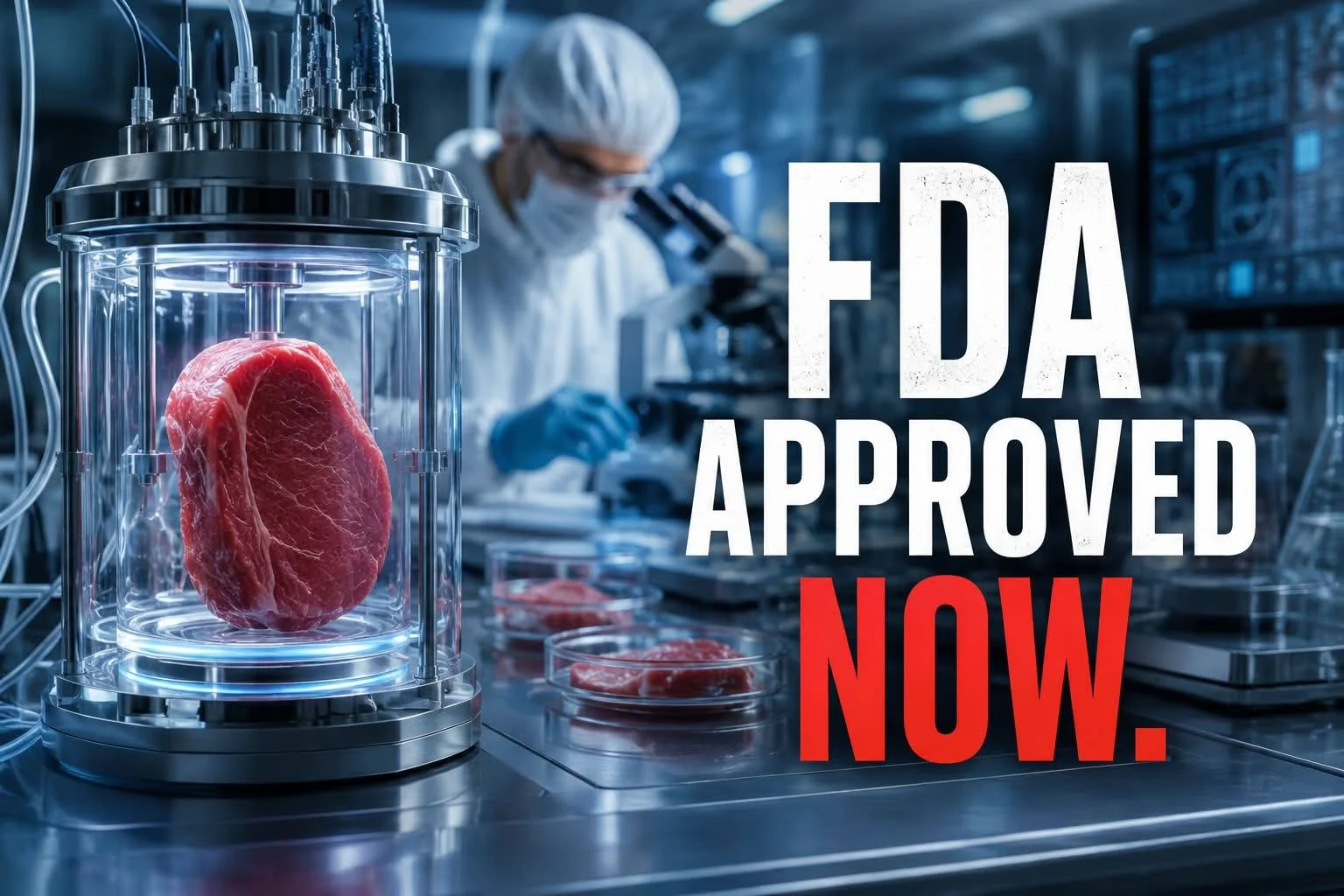
Editor’s note and correction: This article’s original headline said lab-grown meat was “officially FDA approved.” That wording was inaccurate. The FDA does not approve cultivated meat. It runs a voluntary pre-market consultation, and when that review is complete the agency states that it has “no further questions at this time” about the manufacturer’s safety conclusions. The FDA’s own page says the manufacturer is responsible for making sure its product meets all applicable FDA requirements. After that stage, USDA’s Food Safety and Inspection Service oversees harvesting, processing and labeling of meat and poultry products made from cultured cells. The FDA has announced completed pre-market consultations for cultivated products in November 2022, March 2023 and March 2025. Source: FDA, “Human Food Made with Cultured Animal Cells.” The rest of this piece is commentary and reflects opinion, not a news report.
For generations, Americans knew exactly where their food came from. Cattle were raised on ranches, chickens came from farms, and families took pride in producing food the same way they had for generations. Today, that conversation is changing, and not everyone is celebrating it.
Companies backed by some of the world’s biggest investors, including Bill Gates, have spent years investing in lab grown meat, promoting it as the next evolution of food production. Supporters say it’s innovative, environmentally friendly, and could eventually become a major part of the global food supply. Critics see something entirely different. They see another step toward replacing traditional farming with food created inside laboratories, owned by corporations, protected by patents, and controlled by the same powerful interests that already dominate much of the food industry.
Tyson Foods, one of America’s largest poultry producers and a supplier to major restaurant chains and retailers, has also invested in cultivated meat technology over the years. For many people, that raises an obvious question. If some of the biggest names in food are investing in this technology today, where does it end tomorrow?
Will it remain a specialty product served in a handful of restaurants, or will it eventually find its way into grocery stores across America? Will restaurants begin offering it as another option on the menu? Will consumers always know exactly what they’re buying, or will they have to start paying closer attention to labels than ever before?
Supporters argue that this is simply another choice, that nobody is forcing anyone to buy it, and that innovation has always changed the way food is produced. Maybe they’re right.
But many Americans aren’t worried about having another choice. They’re worried about losing the one they’ve trusted their entire lives. They don’t want meat grown inside stainless steel tanks. They don’t want billionaires and multinational corporations deciding what the future of food should look like. They don’t believe replacing farms with laboratories represents progress, regardless of how advanced the technology becomes.
This debate isn’t really about science. It isn’t even about whether the technology works. It’s about trust, tradition, and whether people are willing to embrace a future that looks nothing like the one they grew up with.
Maybe lab grown meat will become the next big thing. Maybe it will never gain widespread acceptance. Either way, one thing seems certain. This conversation is only getting started, and Americans are more divided than ever over what belongs on their dinner table.
So let me ask you something.
If your favorite restaurant started serving lab grown meat tomorrow, and the price was exactly the same as traditional meat, would you order it, or would you walk away?






What do you think about this decision? What should local officials do next?
Free. Straight to your inbox. Cancel anytime.



Join the conversation — create a free TRH News account to comment.