Newsletter Subscribe
Enter your email address below and subscribe to our newsletter

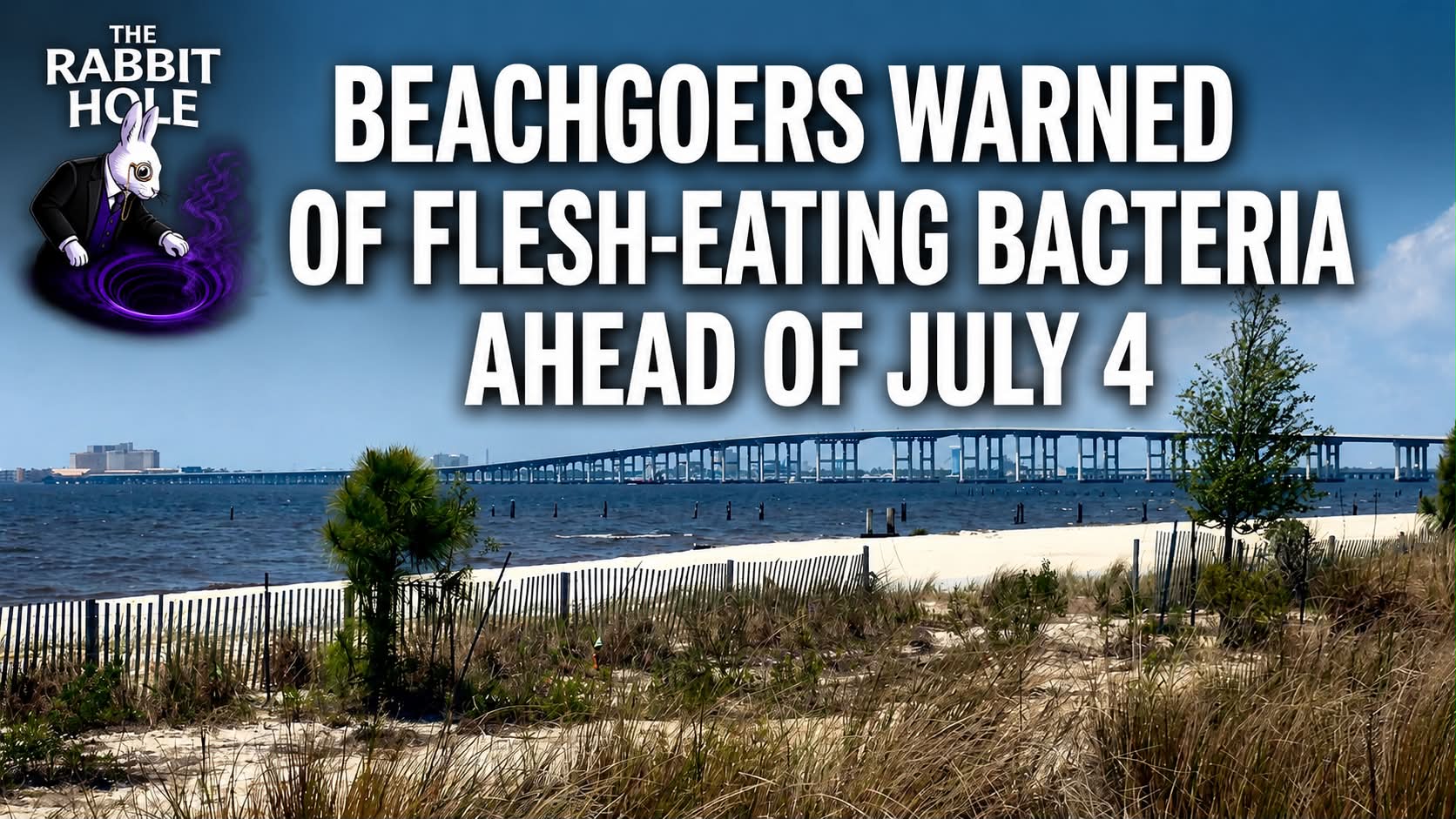
Beachgoers Urged to Take Precautions Against Flesh-Eating Bacteria Ahead of Fourth of July Weekend
As families head to the beach for Independence Day celebrations, health officials are reminding the public to be aware of Vibrio vulnificus, a rare but potentially deadly bacterium that thrives in warm saltwater and brackish water.
While infections remain uncommon, they can become extremely serious for certain individuals. The bacteria can enter the body through an open wound or by consuming raw or undercooked shellfish, particularly oysters.
Health officials say Vibrio has traditionally been associated with the Gulf Coast, but recent testing has detected the bacteria in waterways farther north, including parts of Long Island, New York. Several states, including Florida and Mississippi, have also issued public health reminders this year after reported infections.
One recent case involved a South Mississippi man who developed a severe infection after what was believed to be a minor insect bite while fishing. Within a day, his condition worsened dramatically, and he remains hospitalized as doctors work to control the infection.
Although commonly referred to as “flesh-eating bacteria,” Vibrio vulnificus does not literally consume flesh. Instead, it can rapidly destroy soft tissue and, in severe cases, spread into the bloodstream. According to health officials, the infection can become life-threatening in a very short period of time if not treated promptly.
Those at greatest risk include people with diabetes, liver disease, cancer, weakened immune systems, or other underlying health conditions. Anyone with a recent cut, scrape, surgical incision, tattoo, or piercing is advised to avoid entering warm coastal waters until the wound has fully healed.
Symptoms of a wound infection may include increasing redness, swelling, severe pain, blistering, or rapidly spreading skin damage. Anyone experiencing these symptoms after exposure to seawater should seek immediate medical attention, as early treatment significantly improves the chances of recovery.
Health experts also recommend thoroughly cooking shellfish, avoiding raw oysters, and keeping all wounds clean and covered while enjoying the beach this holiday weekend.
For most healthy beachgoers, the overall risk remains low, but taking a few simple precautions can help ensure a safe and enjoyable Fourth of July.