Newsletter Subscribe
Enter your email address below and subscribe to our newsletter

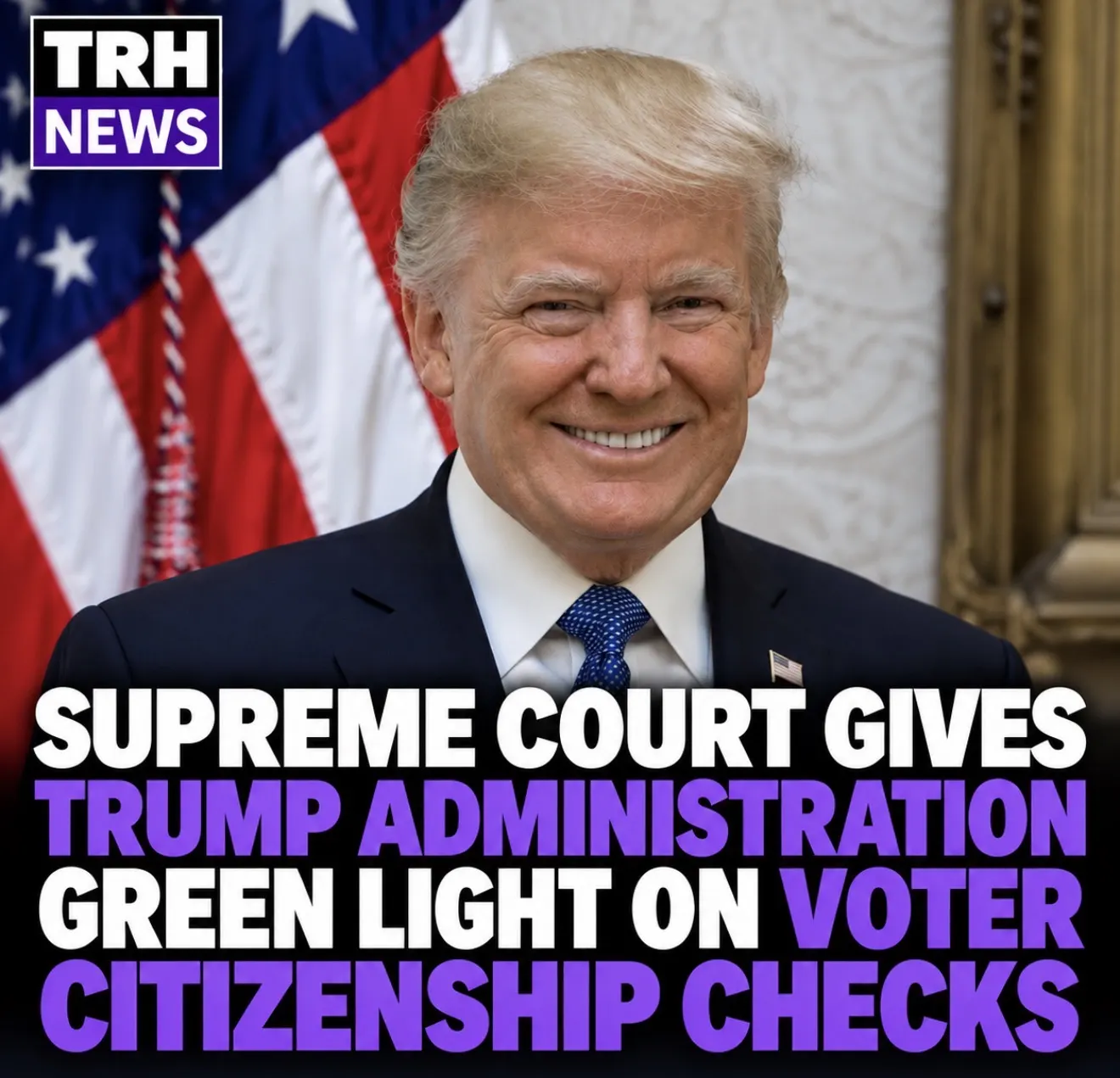
The U.S. Supreme Court has cleared the Trump administration to move forward, for now, with an expanded federal system that allows states to check voter records against citizenship information ahead of the 2026 midterm elections. The ruling, issued Friday, September 25, lifts a lower-court order that had blocked the expanded use of the federal database.
The case centers on the Department of Homeland Security’s Systematic Alien Verification for Entitlements system, commonly known as SAVE. The system has existed for decades, but the federal government expanded its capabilities to incorporate Social Security Administration information, allow searches using Social Security numbers and process large batches of records instead of checking individuals one at a time.
What The Supreme Court Decided
In a 6-3 decision, the Supreme Court granted the administration’s request to stay the lower court ruling while litigation continues. The practical result is that the expanded SAVE system can operate while the underlying legal challenge proceeds.
That distinction is important. The Supreme Court’s action does not necessarily represent a final resolution of every legal challenge surrounding the program. Instead, it determines what the government may do while the case continues through the courts.
What The Database Does
Under the expanded system, state officials can submit voter information for citizenship verification, including bulk requests. The changes also allow SAVE to draw from Social Security Administration records and conduct searches using full or partial Social Security numbers.
The Trump administration argues the changes provide states with a more effective way to verify whether people on voter rolls are U.S. citizens. In its Supreme Court filing, the administration argued that the previous version of SAVE was unable to verify many people born in the United States and was limited because it generally relied on immigration identification numbers.
Why The Program Is Controversial
Organizations challenging the expansion argue that the system could incorrectly flag eligible U.S. citizens and that combining information held by DHS and the Social Security Administration raises privacy and federal-law concerns. They also argue that Social Security records were not designed to function as a comprehensive national citizenship database.
Justice Ketanji Brown Jackson’s dissent described a potential consequence of an inconclusive database result: a state could require a voter to provide additional proof of citizenship and potentially remove that voter from the rolls if the requested documentation is not provided in time.
Supporters of the administration’s position argue that states should have access to federal information capable of identifying potentially ineligible registrations and that federal law requires DHS to respond to state requests seeking verification of an individual’s citizenship or immigration status.
What Happens Next
For now, the Supreme Court’s ruling means the federal government may continue operating the expanded SAVE system and states may use it as the country approaches the November 2026 midterm elections.
The broader lawsuit over whether the administration lawfully expanded the system remains significant because the courts are still considering questions involving federal authority, privacy protections and the handling of voter-registration information.
The immediate effect, however, is clear: the lower-court restrictions have been lifted, and the Trump administration’s expanded citizenship-verification system can move forward while the litigation continues.






What do you think about this decision? What should local officials do next?
Free. Straight to your inbox. Cancel anytime.







Join the conversation — create a free TRH News account to comment.